Wilseder Berg in the Lüneburg Heath: A Hiking Highlight Near Our Nature Campground
Where exactly is Wilseder Berg, when is the heather at its most beautiful, and which hike is really worth doing? In this article, we’ll show you everything you need to know for a visit to the highest point of the Lüneburg Heath, from suggested routes and bike tours to practical tips for families.
Key Findings at a Glance
- ✓At 169 meters, Wilseder Bergis the highest point in the Lüneburg Heath and, on a clear day, offers a panoramic view all the way to Hamburg.
- ✓Heatherblooms from early August through mid-September, transforming the landscape into a purple carpet.
- ✓Popularround-trip hikes starting from Oberhaverbeck or Undeloh combine the summit with the Totengrund and are between 10 and 15 kilometers long.
- ✓Theentire area around Wilseder Berg is closed to private vehicles; visitors must arrive on foot, by bike, or by horse-drawn carriage.
- ✓Ournature campground in the Lüneburg Heath in Soltau is conveniently located near the A7 and is an ideal starting point for day trips to the heath.
Wilseder Berg: Location, Elevation, and Distinctive Features
At 169 meters, Wilseder Berg is the highest point in the Lüneburg Heath and is considered a landmark of the entire heath landscape. It is located in the Lüneburg Heath Nature Reserve in Lower Saxony, nestled between the towns of Wilsede, Oberhaverbeck, and Undeloh. The hill is located just 1.9 kilometers west of the car-free heath village of Wilsede.
Geologically, the hill was formed by glaciers during the Saale Glacial Period. Typical landforms such as hilltops, dry valleys, and sandy soils characterize the landscape. The Lüneburg Heath Nature Reserve covers approximately 23,000 hectares, while the entire Lüneburg Heath Nature Park spans an area of 107,000 hectares. This makes the Lüneburg Heath the oldest nature park in Germany.
The core area is car-free. Anyone wishing to visit the mountain can start at one of the hiking parking lots and reach the summit on foot, by bike, or by horse-drawn carriage. In addition to hiking and biking, activities in the nature reserve also include horse-drawn carriage rides through the heathlands. On a clear day, the view from the summit stretches all the way to Hamburg; a panoramic view of heathlands, juniper bushes, and the open countryside makes every climb worthwhile. Guests staying at our nature campground in Soltau can easily reach Wilseder Berg as a day trip.
Heather in Bloom and the Landscape Around Wilseder Berg
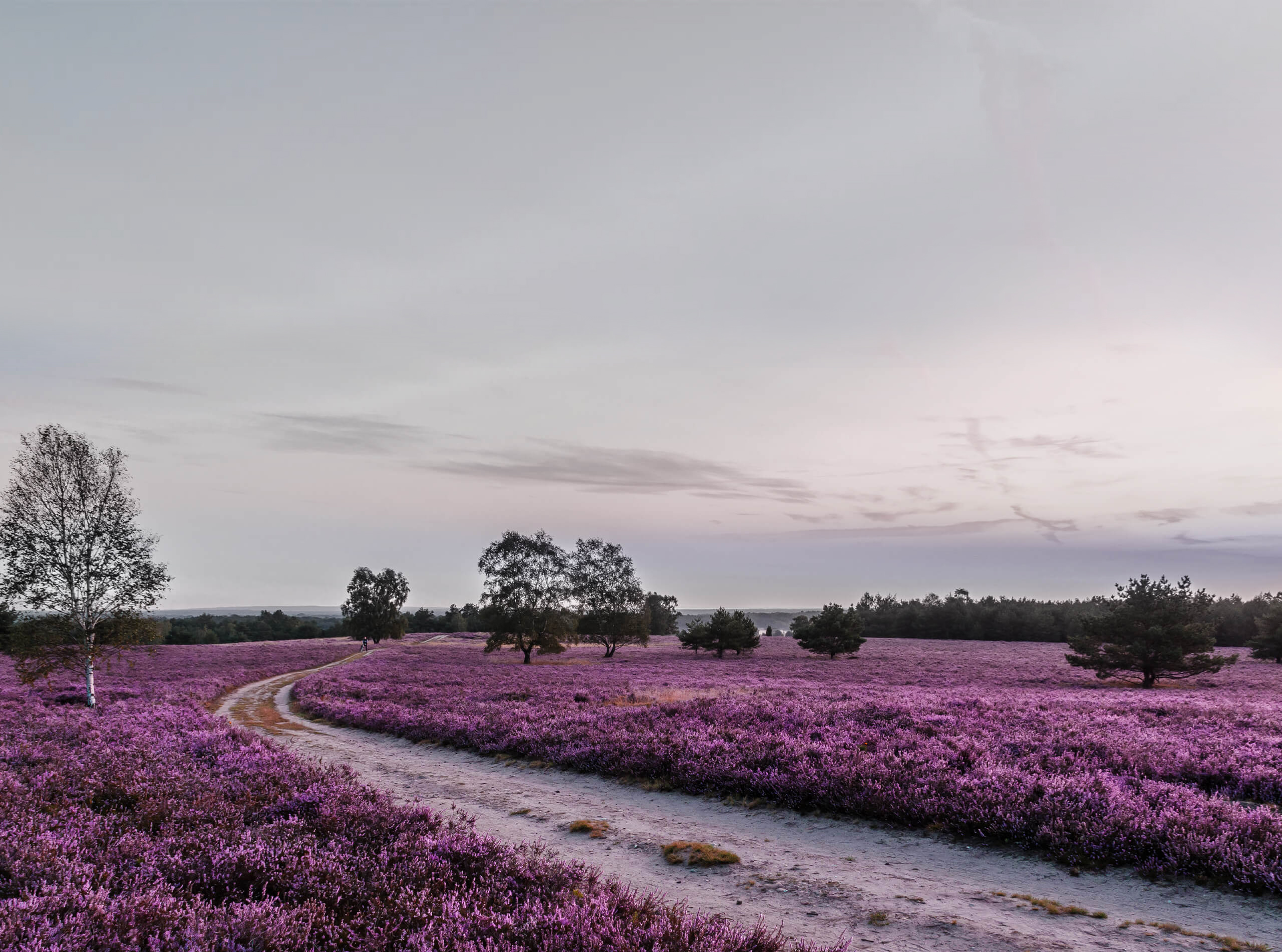
The typical heathland around Wilseder Berg consists of broom heather, bell heather in wetter depressions, and distinctive juniper bushes. Heidschnucken sheep graze on the heathland and keep it open; without the herd, the heath would become overgrown with trees within a few decades.
The broom heather blooms from early August through mid-September. During this time, the landscape transforms into a carpet of purple blossoms that attracts visitors from all over Germany. The best time to visit Wilseder Berg is during the heather bloom, from August through September. In the fall, shades of gold and brown dominate, while in the winter, the barren landscape offers a beauty and tranquility all its own.
A special natural highlight is the Totengrund, a picturesque valley just 1.2 kilometers from Wilsede. The Totengrund was designated a nature reserve as early as 1906 and is a popular destination during the heather bloom. The landscape of the Totengrund offers sweeping panoramic views, though the valley can only be explored along its upper edge. The area is known for its unspoiled trails and scenic beauty.
Please be considerate of nature while out and about: Stay on the trails, keep dogs on a leash, and be mindful of flocks of Heidschnucken sheep and ground-nesting birds. From our nature-oriented campground in Soltau, you can experience the Lüneburg Heath in all its different forms depending on the season—from a sea of purple blossoms to a quiet winter landscape.
Popular Hike to Wilseder Berg and Totengrund
The classic hike to Wilseder Berg is often combined with a detour to Totengrund and Steingrund. Numerous hiking trails crisscross the area, and the hiking and biking trails to Wilseder Berg are well-marked. The Wilseder Berg Heath Loop is a popular 15-kilometer circular hiking trail.
Here's what a typical tour starting in Oberhaverbeck looks like:
- 1. Startat the Oberhaverbeck hiking parking lot; the trail leads through open heathland toward the summit.
- 2Hike upWilseder Berg for a panoramic view of the heath, then descend to the heath village of Wilsede, home to the “Dat ole Huus” Heath Museum, which shows what life on the heath was like in the past.
- 3Continue onto the Totengrund lookout point and back to the starting point through sections of forest and heathland.
The hike from Oberhaverbeck to Totengrund takes about 50 minutes. Alternatively, the hike from Undeloh to Totengrund takes about 65 minutes, and the route from Döhle to Totengrund takes about 1.5 hours. The trail is mostly sandy and slightly hilly, and easy to walk on in dry weather.
The Heidschnuckenweg is 223 kilometers long, consists of 13 stages, and also passes over Wilseder Berg. If you’re looking for a scenic loop or a shorter hike, you’ll find numerous hiking trails of varying lengths around the town of Wilsede. After your hike, you can wind down the day in a relaxed atmosphere at our campground, whether in your own RV or in one of our rental accommodations.
Bike Tours in the Lüneburg Heath: On the Way to Wilseder Berg
The region offers an extensive network of bike paths, including themed routes and sections of long-distance bike paths such as the Wümme Bike Path. From Schneverdingen or Bispingen, signposted heathland bike paths lead toward Wilseder Berg. Biking is permitted on the marked trails within the nature reserve, but riders must be considerate of hikers and the natural environment.
A longer route option combines Wilseder Berg, Wilsede, Totengrund, and the return trip through forests and heathland; such bike tours typically cover 20 to 30 kilometers. For sandy paths, we recommend wider tires, and for longer distances, an e-bike with a battery that lasts long enough. During the season, the Heide-Shuttle bike bus makes certain sections of the route easier. Maps or a GPS track are helpful, as signage in more remote areas is sometimes limited.
We’re located in Soltau, near the A7. From here, you can plan bike tours across the Osterheide and through the Radenbach Valley to the Heidetal and on to Wilseder Berg. With a variety of campsites and lodging options, our campground is also an ideal base camp for multi-day bike trips through the Lüneburg Heath.
Facts and Figures About Wilseder Berg and the Lüneburg Heath
The following table provides a concise overview of the most important information about the region and will help you plan your next trip.
| Category | Value | Practical Relevance |
|---|---|---|
| Elevation of Wilseder Berg | 169.2 m above NHN | Highest point, landmark, and view |
| Nature Reserve | approx. 23,000 ha | Car-free central area; accessible only on foot or by bike |
| Lüneburg Heath Nature Park | 107,000 ha | Germany's Oldest Nature Park |
| Peak Heather Blooming Season | Early August through mid-September | Perfect for photos and experiencing nature |
| Wilseder Berg Heath Loop | 15 km loop trail | Popular Day Trip to Totengrund |
| Heidschnucken Trail | 223 km, 13 stages | Long-distance hiking trail across the heath |
| Distance from Soltau to Wilseder Berg | about 25 to 35 km | Great for a day trip from the campground |
Our nature campground in the Lüneburg Heath is centrally located, so all of these attractions are within a day’s travel. Our article on places to visit in the Lüneburg Heath provides an overview of other destinations in the area.
Staying at Naturcamping Lüneburger Heide: the perfect starting point
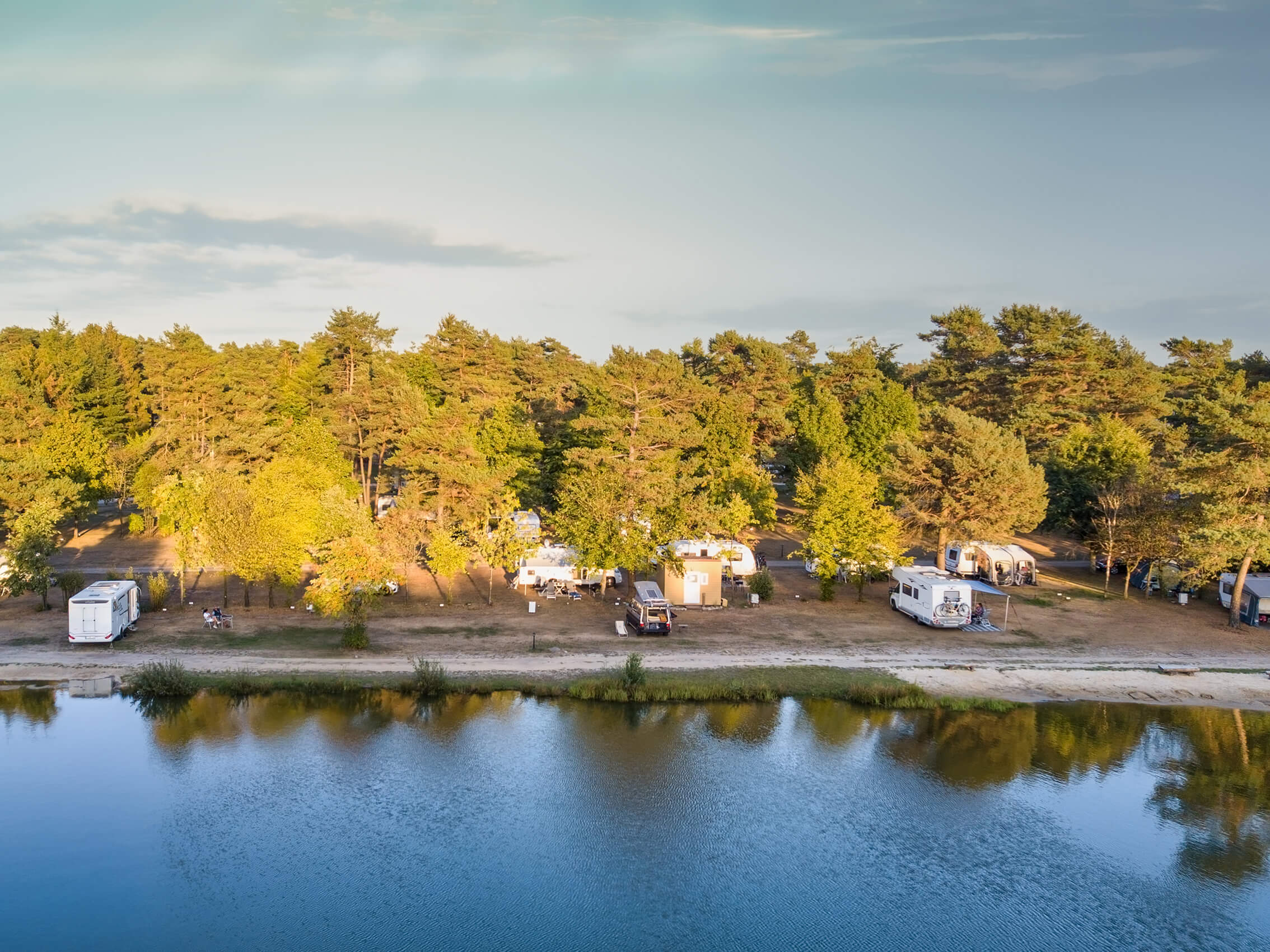
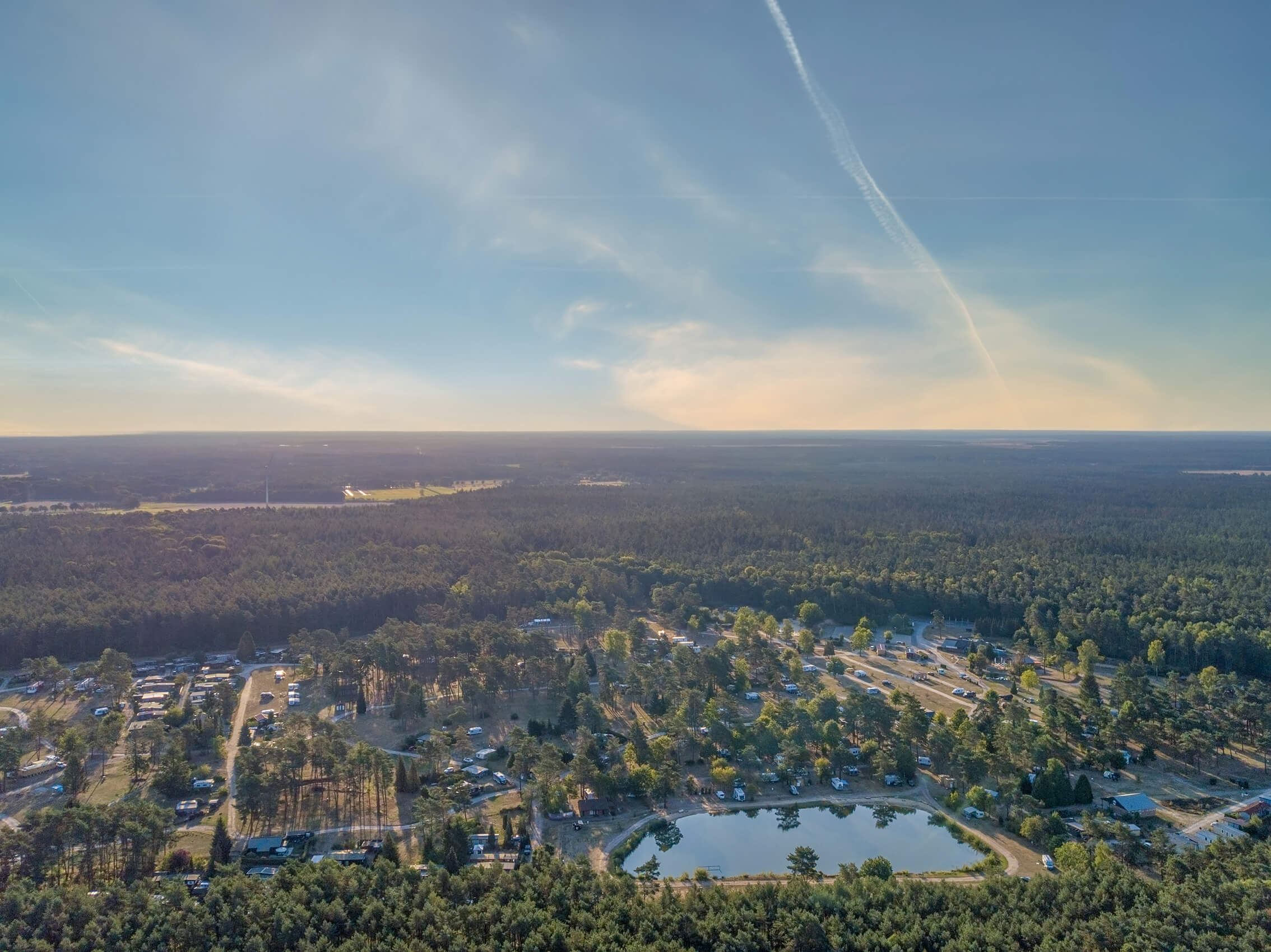
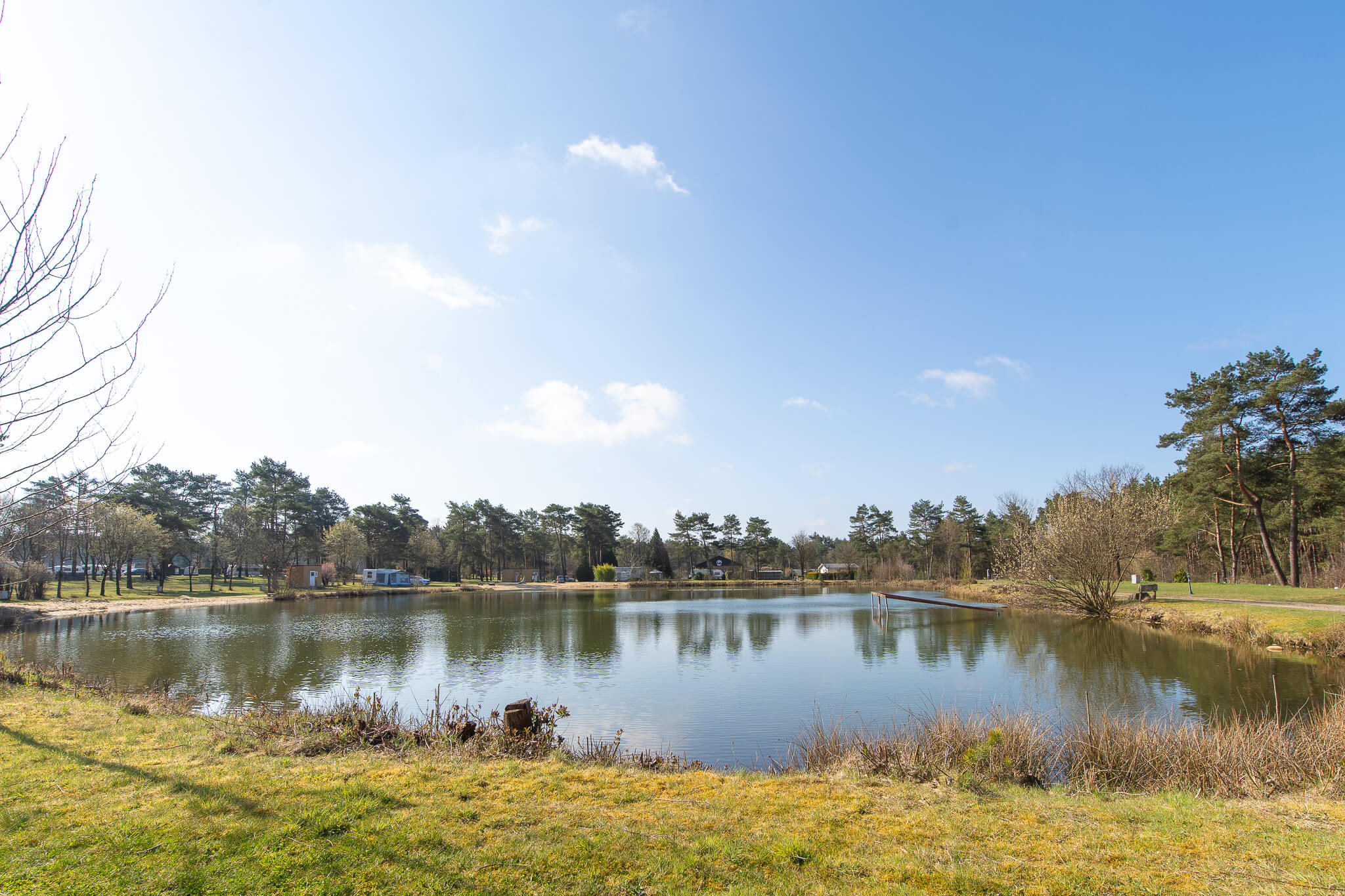
We are a nature-oriented campground in the heart of the Lüneburg Heath in Soltau, open from March through November. On our grounds, guests will find campsites for trailers, RVs, and tents, as well as unique accommodations such as camping barrels, tiny houses, chalets, and Heidjer huts. Our private swimming lake with a sandy beach, a soccer field, beach volleyball, and modern restroom facilities with hot water around the clock ensure a pleasant stay even off the hiking trails.
The proximity to the A7 makes it easy to get here from Hamburg, Bremen, or Hanover. In addition to Wilseder Berg, other attractions—such as the Heide Park Resort in Soltau —as well as restaurants and local sights are within easy reach. If you’re looking to actively explore the region, you’ll find the perfect starting point here.